Primary bone cancers include osteosarcoma, Ewing sarcoma, and chondrosarcoma. Osteosarcoma, the most common type of primary bone cancer, occurs most often in children and adolescents.
It typically develops near the ends of long bones, particularly in the distal femur, proximal tibia, and proximal humerus.
Primary bone cancers account for less than 1% of cancers diagnosed each year. However, bone is a much more common site of metastasis from other types of cancer, and bone metastases are associated with significant morbidity and mortality.
Having one or more of the symptoms listed below does not necessarily mean that you have bone cancer.
Bone cancer signs and symptoms often do not appear until the disease has reached a more advanced stage, although they may sometimes occur earlier.
If you experience any of these symptoms, consult a healthcare professional.
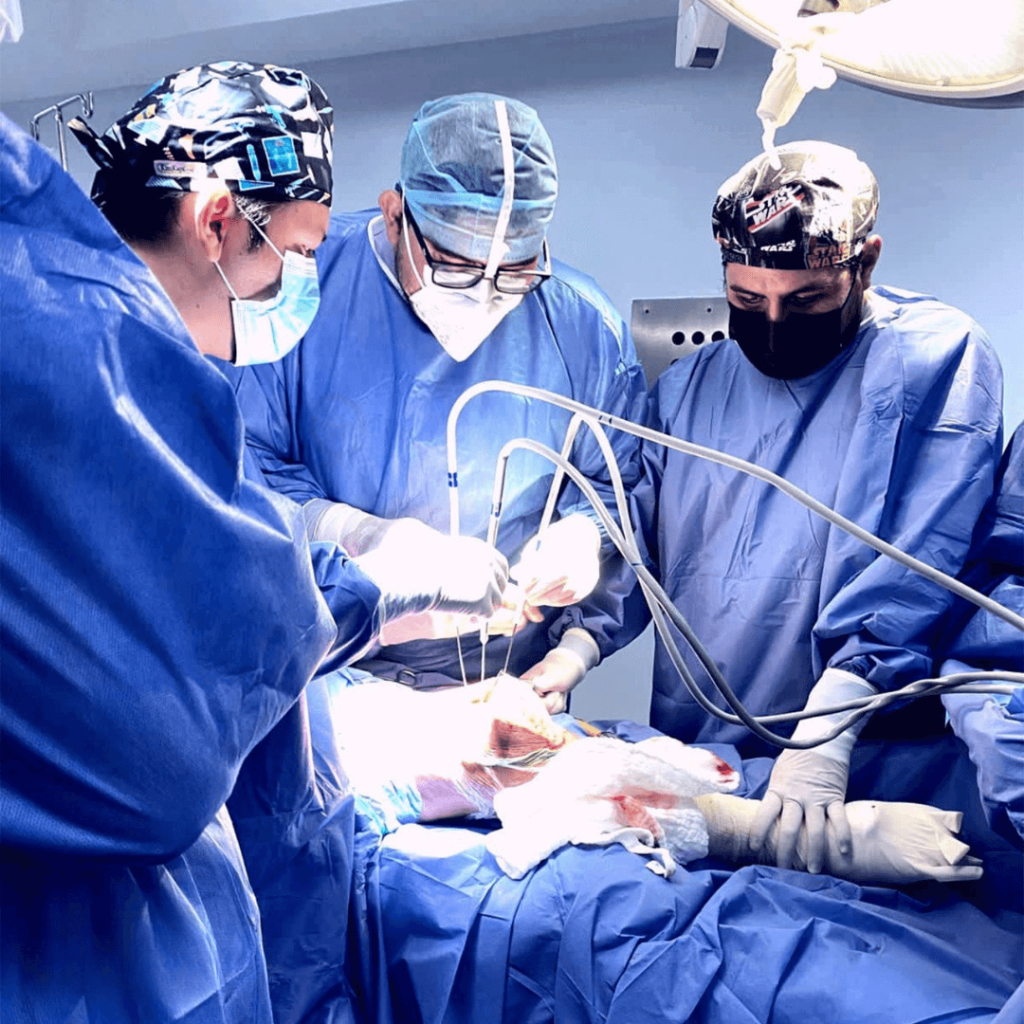
Surgical treatment options for bone tumors are invasive and, depending on tumor location, may require a prolonged hospital stay after surgery.
There are still unmet therapeutic needs in the management of bone metastases.
Cryoablation is a preferred treatment option for osteoid osteoma due to its relatively low complication rate, shorter recovery time, and lower costs, combined with a high success rate, compared with conventional surgery.

Cryoablation
Thermal ablation is primarily used to treat small, unresectable tumors in selected patients who are not surgical candidates or whose tumors have not responded to chemotherapy or radiation therapy, for example: