


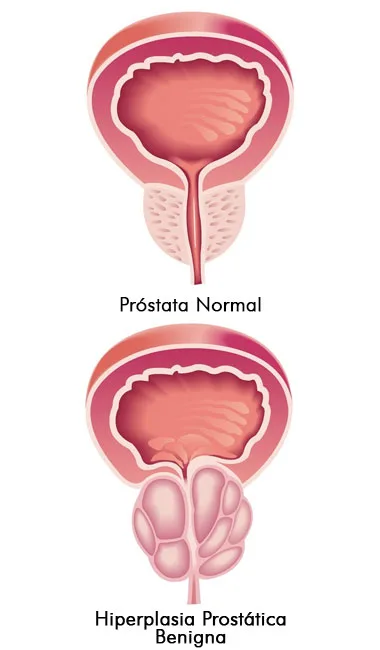
Benign prostatic hyperplasia (BPH) is a non-cancerous enlargement of the prostate gland and is a common condition that becomes more prevalent as men age.
As the prostate enlarges, it can gradually compress the urethra, making it more difficult for urine to flow through and causing various lower urinary tract symptoms.
Although BPH is not cancerous and does not increase the risk of prostate cancer, its symptoms can significantly affect a patient’s quality of life.
BPH symptoms often develop gradually and are technically known as lower urinary tract symptoms (LUTS).
The management of benign prostatic hyperplasia (BPH) has evolved significantly, offering a range of treatment options tailored to the severity of symptoms and the size of each patient’s prostate.
In the early stages, treatment may include lifestyle changes and medications such as alpha-blockers or 5-alpha-reductase inhibitors, which can help relax the muscles involved in urinary flow or reduce prostate volume.
However, when medication is not sufficient or complications such as recurrent infections or urinary retention occur, surgical treatment is used.
While traditional procedures, such as transurethral resection of the prostate (TURP), remain an option, there is growing interest in minimally invasive technologies. These technologies are designed to relieve urinary obstruction while potentially reducing bleeding, hospital stays, and the risk of complications affecting continence and sexual function.
Microwave ablation (MWA) is a cutting-edge minimally invasive treatment for BPH. It offers an effective option to conventional surgery for selected patients.
How Does It Work?
Microwave ablation uses thermal energy generated by microwaves to heat and selectively destroy excess prostate tissue that is obstructing urinary flow. The treated tissue is subsequently reabsorbed or naturally eliminated by the body.
Benefits of MWA:

Microwave Ablation
Microwave thermal ablation (MWA) may be considered as an effective treatment alternative for patients with BPH who do not respond adequately to medication or who may not be suitable candidates for conventional surgery due to their health conditions.
It is suitable for: